

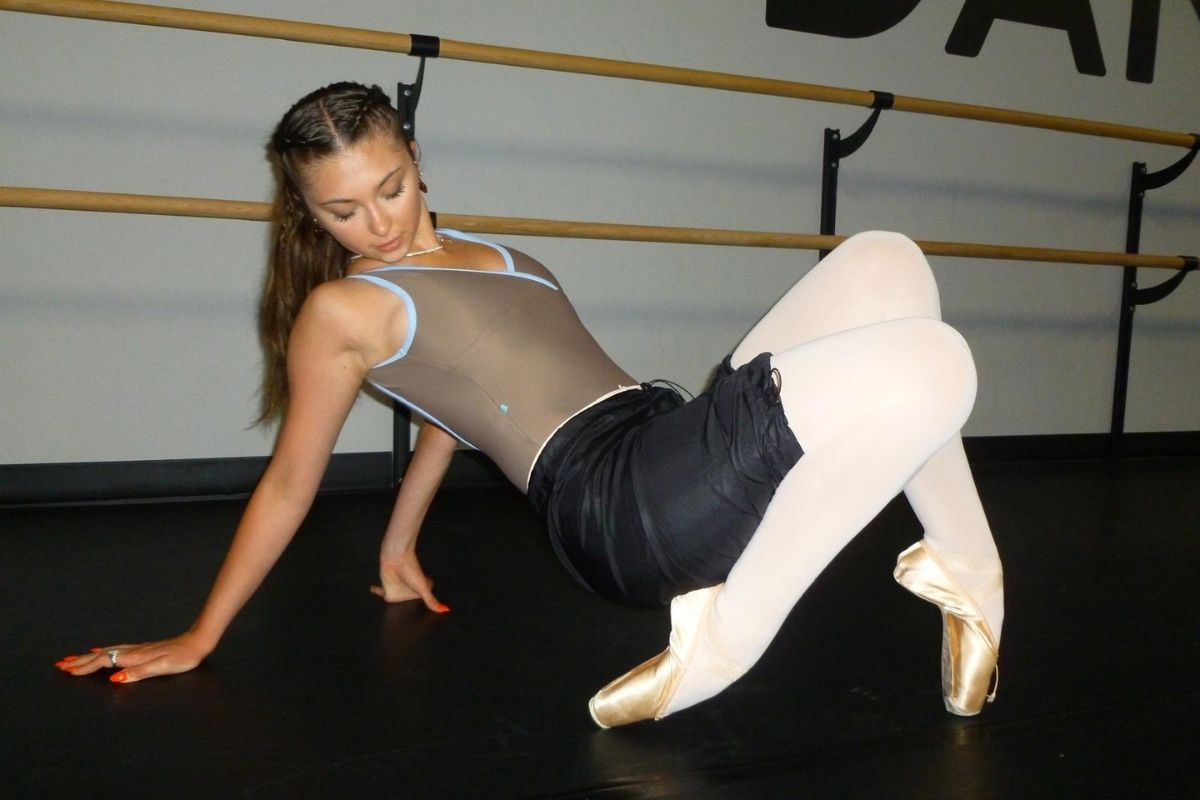
Imperfect Ballet Journeys: Royal Swedish Ballet Dancer Tia Wenkman on Auditions, Mental Health & Finding Your Path
Interview with Tia Wenkman
Meet Tia Wenkman: a professional ballet dancer with the Royal Swedish Ballet. In this exclusive interview, she shares her imperfect journey from pre-professional training to professional ballet company life, discussing the realities of ballet auditions, mental health challenges dancers face, how to build resilience in competitive dance environments, and the role of social media in today' ballet careers. Her story celebrates the imperfect paths that can lead to professional dance success.
The Reality of Transitioning from Pre-Professional to Professional Ballet
Question: Tell us about your imperfect ballet journey to the Royal Swedish Ballet, and the reality of your career path not being a straight line.
Tia Wenkman, Royal Swedish Ballet: My imperfect journey—I love those words because it very much has been imperfect. When I think about my imperfect ballet journey, the transition from pre-professional training at the Royal Ballet School to becoming a professional ballet dancer stands out. The path to professional ballet took three years of continuous auditioning before I secured my position here at the Royal Swedish Ballet in Sweden. This audition period was the toughest obstacle I've faced in my professional dance career so far.
Ballet auditions and dance competitions create similar high-pressure environments with both positive and negative aspects. For me, dealing with rejection during the professional ballet audition process was particularly difficult. I experienced comparison, self-doubt, and mental health struggles—yet dancers are expected to perform at their absolute best under these conditions.

Tia backstage with fellow Company Dancer, Alice Hidalgo at Royal Swedish Ballet
What many people don't realize about professional ballet auditions is that each dancer is going through their own journey and personal challenges. You might talk to a few people at an audition, but you have no idea what they're actually experiencing. Finding stable connections and support systems within competitive dance environments is key to helping yourself and others succeed through the imperfect process.
After two years with the Royal Swedish Ballet company, I've discovered amazing things about myself and what the professional dance world can offer, including the incredible people in it. My imperfect journey and dealing with all of those things, led me exactly where I needed to be.
Recognizing Your Worth as a Professional Dancer in Imperfect Environments
Question: Was there a point where you realized your worth and the environment you were in didn't match?
Tia Wenkman on dancer self-worth: That's a tough question for me! This is a challenging reality for professional dancers. I believe every ballet dancer experiences moments where their worth isn't being recognized, promoted, or valued—unfortunately, this seems universal in the ballet world. But I think that's what makes ballet dancers so resilient and strong. We navigate imperfect systems and environments while staying true to ourselves.
Professional ballerinas face obstacles in silence, yet we're together in this experience. There are unspoken truths and silent battles that all ballet dancers go through. We can see what another dancer is experiencing, and we support each other as much as possible, though we ultimately can't change how individual ballet companies are run.
I definitely experienced a moment where my worth as a dancer wasn't being recognized, and I took action. It's empowering to see ballerinas around the world taking control of their imperfect careers and persevering through the difficult audition process. When you finally achieve success in professional ballet, the relief and pride you feel is incredible—you give yourself the recognition you deserve.

Building Confidence and Resilience Through Imperfect Ballet Auditions
Question: How did you build the confidence to continue moving forward when you didn't feel supported or 'good enough' as a dancer?
Tia Wenkman on building dancer confidence: The ballet audition period was a significant time when I struggled with feeling good enough. Building confidence came from developing respect for myself and for other dancers going through the same imperfect process. The desire to better yourself as a dancer creates both positive and challenging feelings—you have to experience difficult times to truly appreciate the good ones.
The biggest confidence builder during my professional ballet audition journey was the sense of accomplishment. Sending multiple applications, booking flights to auditions, advancing to final rounds, and achieving the goals I set for myself created positive momentum. Even small accomplishments during the imperfect audition process provided validation.
Leaning on family and friends outside of ballet was crucial. Having a strong support system and life outside of dance is essential, especially during challenging times. Ballet can consume your entire life, particularly during dark periods, so surrounding yourself with good people who can give you perspective and breaks from the ballet world is vital for mental health and career longevity.
How Changing Ballet Companies Can Transform Your Relationship with Dance
Question: How has moving to a different ballet company changed your feelings around ballet?
Tia Wenkman on finding the right ballet company: Trust the process—I know that sounds cliche, but I have fallen in love with ballet in a completely different way since moving to the Royal Swedish Ballet. It's been an amazing personal journey that I've been able to have the space for, which I'm incredibly grateful for. What is meant to be will come to you—it took me three years of imperfect auditions to find this moment, and I'm not done. This is just the start.
The ballet world is constantly evolving, and I think dancers need to be reminded that there's room for all of us and all our imperfections. There are so many dancers still fighting for their place, and I know that when you put effort in, you're going to get something back—you just need to be patient.
I'm full of gratitude for all the people I've met at the Royal Swedish Ballet who surround me every day. We lift each other up, and I've loved experiencing this supportive environment. Social media in the dance world has also been eye-opening for me, giving me time to reshape myself and what I want to do with my platform.
The biggest lesson I learned about embracing imperfection in ballet: I didn't need to fit into a certain mold that one director wanted or another director wanted. What is meant for you will come, and you don't need to be fitting into any sort of mold. Ballet companies can be vastly different even when they sound similar on paper, and your relationship with ballet and yourself can change dramatically in a more positive environment that celebrates who you are—imperfections and all.

Social Media and Ballet Careers Today
The Impact of Social Media on Professional Ballet Dancers
Question: How has growing up on social media influenced your life as a ballet dancer, both positively and negatively? What would you like to see more of in the ballet space online?
Tia Wenkman on ballet and social media: Growing up on social media as a professional dancer has been very insightful—lots of good things and lots of not-so-good things. Now that I'm older, I've prioritized different things in my life. Social media still means a lot to me, but I'm not jumping to share everything about my ballet life anymore or searching for the next brand deal.
Having a genuine connection and community on my platform has become more important to me than follower counts or video likes. I'm genuinely just having fun making content and showing a little bit of this crazy ballerina life—the imperfect moments and the beautiful ones.
One really cool aspect of social media for ballet dancers is this invisible string connecting people. You know so many dancers through Instagram and TikTok, then you meet them in random places—mainly at auditions. Connecting with them in person opens another perspective, and when you see this person on social media afterward, you can connect with them on a deeper level.
I love that the dance community is getting the recognition it deserves on Instagram and TikTok. We could always use more support. For things I'd like to see more of in the ballet social media space: more sense of community, more Instagram Lives (these are so fun), and more collaborations between dancers and brands.

Ballet Dancers and Brand Partnerships: Choosing Authenticity Over Perfection
Tia Wenkman on authentic brand partnerships for dancers: As I've gotten older, the quality and connection I have with a brand means much more to me than getting money or exposure out of it. I think a lowlight in the ballet community on social media is that brands will ask dancers to create content for free in exchange for exposure and product.
I can understand this to an extent, but when you're a professional dancer under contract, I think it's different. When I was younger, I would have done anything for exposure, and I had fun—it was totally fine. But my advice to young ballet dancers now is: make sure you're promoting something that actually means something to you.
It's sad to see dancers promoting products inauthentically because you can really tell when it's something they don't actually use or believe in. Authentic brand partnerships in the ballet world should be meaningful connections, not just transactional exposure deals. Choose brands that celebrate your imperfect journey and align with your values.
Key Takeaways for Aspiring Professional Ballet Dancers
- Embrace your imperfect ballet journey: Non-linear paths are normal and often lead to exactly where you need to be
- Professional ballet auditions take time: It may take multiple years and dozens of auditions to secure a professional ballet company position
- Mental health matters in dance: Rejection, comparison, and self-doubt are common challenges that require active management
- Build support networks: Connect with other dancers navigating imperfect journeys and maintain relationships outside the ballet world
- Recognize your worth: Take action when your value as a dancer isn't being recognized
- Don't fit into a mold: The right ballet company will value you for who you are—imperfections included
- Ballet companies vary significantly: Finding the right environment can completely transform your relationship with dance
- Use social media authentically: Focus on genuine community and connections rather than metrics and perfection
- Choose brand partnerships carefully: Only promote products and brands that genuinely align with your values as a professional dancer
- Be patient with your imperfect process: What is meant for you will come when you put in consistent effort
Tia in a quiet moment backstage, preparing for Royal Swedish Ballet's Swan Lake wearing her favourite Alexandria long sleeve leotard.
Tia Wenkman currently performs with the Royal Swedish Ballet. Her imperfect journey demonstrates that professional ballet careers are rarely linear, and resilience, self-advocacy, authentic self-expression, and strong support systems are essential for long-term success in professional dance. Her story reminds us that there's room for all of us in the ballet world—imperfections and all. Follow her journey on social media to see behind-the-scenes insights into life as a professional ballerina.
Next up: Part 2. Tia shares a Day in the Life at Royal Swedish and shares her to Imperfect Pointes picks for auditions and to feel good in class.



1 comment
What an amazing journey Tia! You need to write a book for dancers and parents. I can not imagine the mental toughness and professionalism required for the relentless auditions, travel, and performances ! You are amazing.
jenny pyle
Leave a comment
This site is protected by hCaptcha and the hCaptcha Privacy Policy and Terms of Service apply.